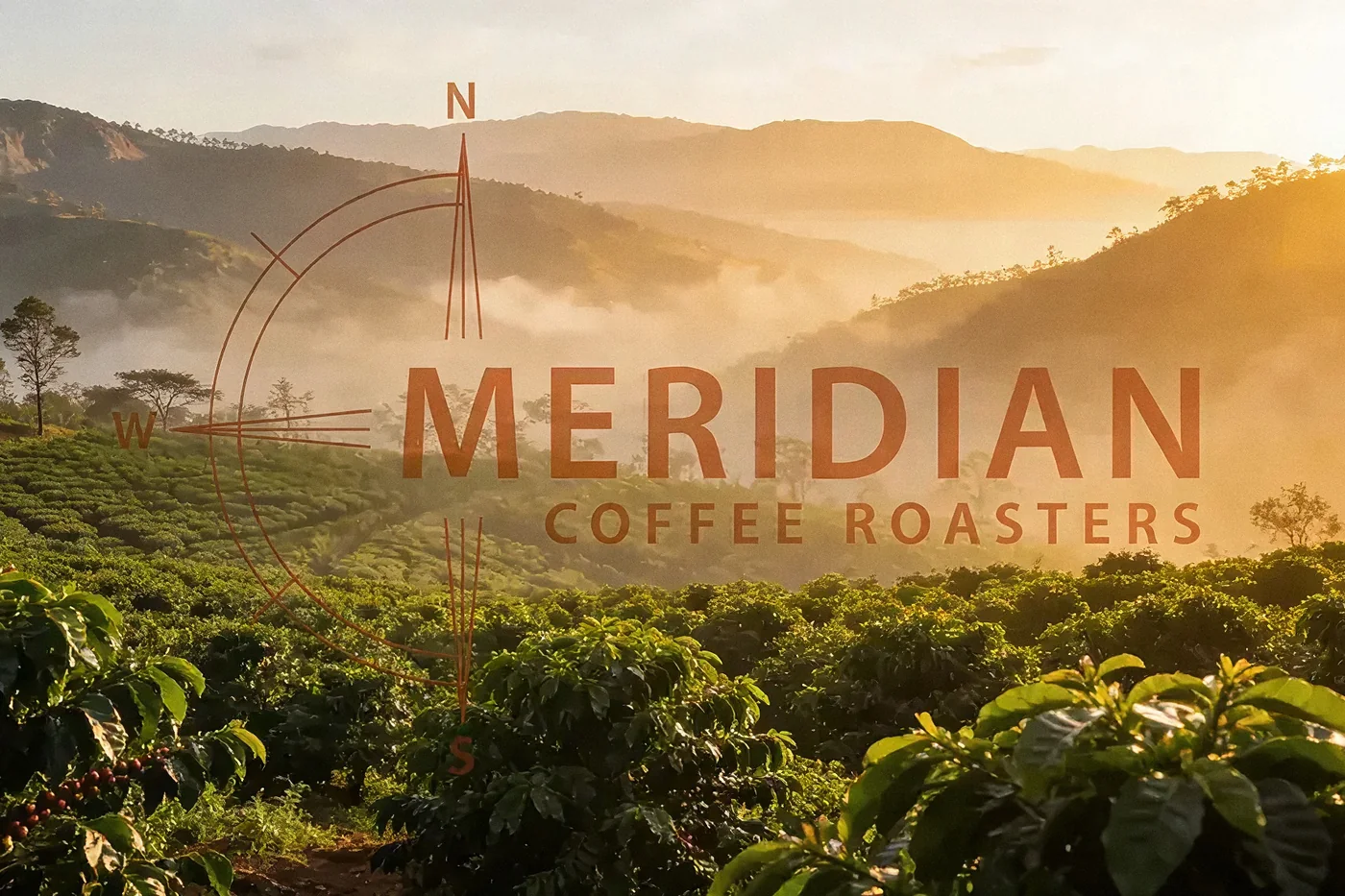
We returned to Guji for the third consecutive year in October. The road from Addis Ababa to the Guji zone takes eleven hours when conditions are good. In October, conditions are rarely good. The rainy season has usually just ended and the roads that serve the highland farms are in various states of repair. We make the journey anyway because what happens at this point in the supply chain — the conversation between roaster and producer, conducted in person, over several days — is the part of our work that justifies everything else.
What the Third Year Changes
The first year you visit a farm, you are a stranger with money and intentions. The producer is polite, cautious, and gives you the version of the operation they show all buyers. The second year, you are a returning stranger — the relationship has begun but the trust is not yet established. The third year is different.
Tariku knew we were coming before we confirmed the dates. He had held back a lot from the early harvest — a natural process anaerobic ferment he had been experimenting with — specifically because he thought we might be interested. He was right. It is unlike anything we have tasted from this region.
The 2025 Harvest
This year's main lot is a washed process, harvested at around 1,900 metres. The cherries were selectively picked over six passes — a labour-intensive approach that most farms cannot afford to maintain but that Tariku insists upon. The result is exceptional uniformity in the green bean, which makes roasting more predictable and allows us to develop the profile further without fear of scorching underdeveloped beans.
Flavour notes in our cupping sessions: bergamot, white peach, a long clean finish with a slight wine-like quality that we associate with the specific microclimate of this particular hillside. Not every Guji tastes like this. This one does because of where it grows and how it is processed.
Why Continuity Compounds
Each year we return, the coffee gets better. Not because Tariku is working harder — he was already working as hard as anyone we have met in twenty years of visiting origins. It gets better because the relationship allows for more honesty. He tells us what did not work. We tell him what we are tasting and what we wish we were tasting. The gap between those two things closes, incrementally, year by year.
That is what direct trade actually means in practice. Not a price premium paid at arm's length, but a conversation conducted in person, over time, about how to make something genuinely excellent together.